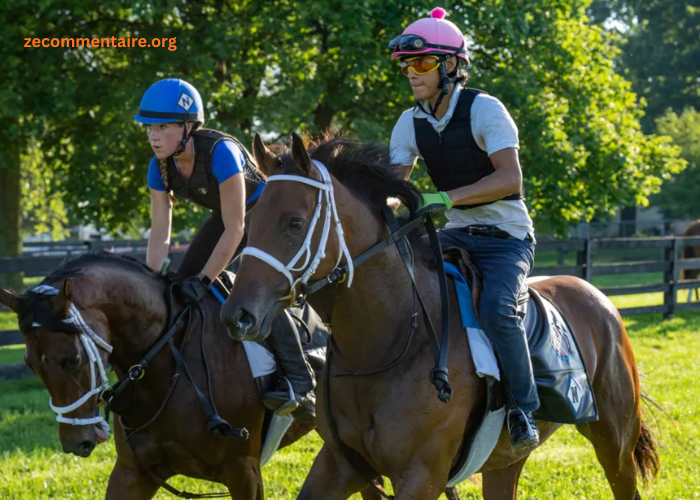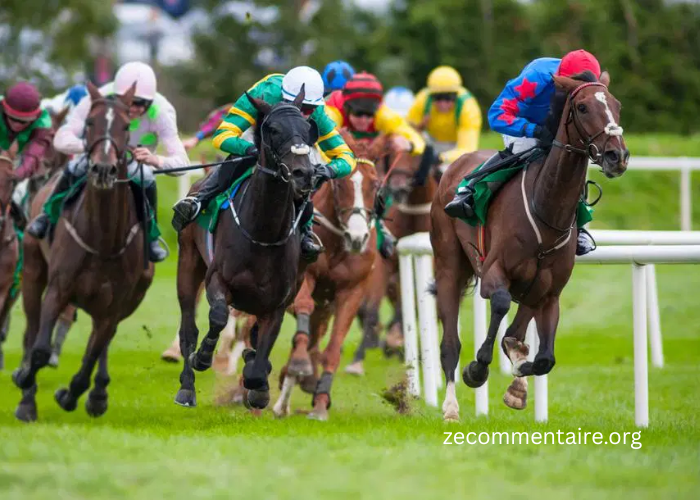
If you spend any amount of time at the racetrack these days, you’ll notice a bit of a pattern. Most races are over before you can even finish your first cup of coffee. We are living in an era of speed. Everyone wants the fastest horse and the quickest results. While there is definitely a thrill in watching a horse fly down the stretch in a five furlong sprint, I can’t help but feel like we are losing something special by moving away from marathon turf races. By marathon, I mean those long, grueling tests of stamina that go a mile and a half or even two miles on the grass.
There is a unique beauty to a long distance race that a sprint just can’t touch. It is like the difference between a high octane action movie and a slow burn psychological thriller. Both have their place, but the thriller stays with you a lot longer. We need to bring back the distance because it challenges the horses and the jockeys in ways that today’s standard races simply do not.
The Art of the Long Game
In a sprint, the start is almost everything. If a horse stumbles out of the gate, it is usually game over. But in a marathon turf race, the start is just the opening note of a very long song. You get to see jockeys actually using their brains. They have to save ground, judge the pace, and decide exactly when to pull the trigger.
It is a game of patience. You’ll see a horse tucked away at the back for over a mile, just biding its time while the leaders do the heavy lifting up front. Then, as they hit that final turn, the jockey asks for everything and you see this incredible surge of power. It is a slow build of tension that makes the finish so much more satisfying. It isn’t just about raw speed; it is about who has the biggest heart and the best lungs.
Diversity in the Breeding Shed
Right now, the breeding industry in North America is very focused on producing “precocious” horses. These are horses that can run fast and early, usually at two years old. While that is profitable, it has led to a bit of a stamina crisis. We are breeding horses that are incredibly fast but sometimes a bit fragile when it comes to going a distance.
By adding more marathon turf races to the schedule, we give breeders a reason to look for different traits. We want horses that get better with age and can handle a rigorous campaign. Marathon racing rewards durability. If we had more of these races, we might see more variety in the types of horses being produced. It would bring back those classic bloodlines that are built for the long haul, making the entire sport healthier and more diverse in the long run.
A Better Show for the Fans
Let’s be honest, part of why we love racing is the spectacle. A marathon turf race usually involves the horses passing the grandstand twice. There is nothing quite like the sound of the pack thundering past the finish line for the first time with a full lap still to go. The crowd gets a chance to see the horses up close, settle in, and really follow the story of the race.
It also opens up the sport in pmu malin to international competition. In places like England, Ireland, and Australia, stayers are absolute heroes. If we had a more robust marathon schedule here, we would see more of those top tier international runners coming over to test their mettle. It makes for better betting pools and much more exciting afternoons at the track. Everyone wins when the quality of the field goes up.
Giving Older Horses a Purpose
One of the sadder parts of modern racing is how quickly horses are retired. Many of the fastest ones head to the breeding shed by the time they are four. However, distance horses often don’t even reach their peak until they are five or six years old. They are like fine wine; they need time to develop that deep stamina.
If we have more marathon opportunities, we get to keep our stars on the track for longer. Fans love seeing familiar faces year after year. When a horse returns for its fourth or fifth season to defend its title in a long distance stakes race, it builds a real connection with the public. We need those “war horses” because they are the ones who truly become legends in the eyes of the fans.
Bringing Back the Strategy
Watching a marathon race is a great way to learn about the nuances of horse racing. You start to notice how a jockey switches leads or how a horse relaxes its neck when it’s in a good rhythm. In a sprint, it’s all a blur. In a marathon, you can see the strategy unfolding in real time. You see the gaps opening up and the jockeys fighting for that perfect spot along the rail.
It is a different kind of excitement. It’s the thrill of the hunt. I’ve often found that some of the best betting opportunities come in these long races because you can find horses that are overlooked just because they don’t have that “early foot” the public loves. If you can spot a horse that is bred for the distance and has a jockey who knows how to sit chilly, you are often looking at a nice payday.
The Future of the Grass
We are seeing more and more tracks invest in their turf courses, which is a great sign. Turf racing is generally easier on a horse’s legs than dirt racing, and it tends to be very popular with the betting public. It only makes sense to utilize those beautiful grass courses for something more than just another mile or a mile and a sixteenth.
Bringing back the marathon is about honoring the history of the sport while also looking toward a sustainable future. It rewards different skills, keeps horses in training longer, and gives the fans a much more dramatic experience. It is time we stop rushing through the afternoon and take a moment to enjoy the long, beautiful grind of a true distance race. Our sport is better when it goes the extra mile.