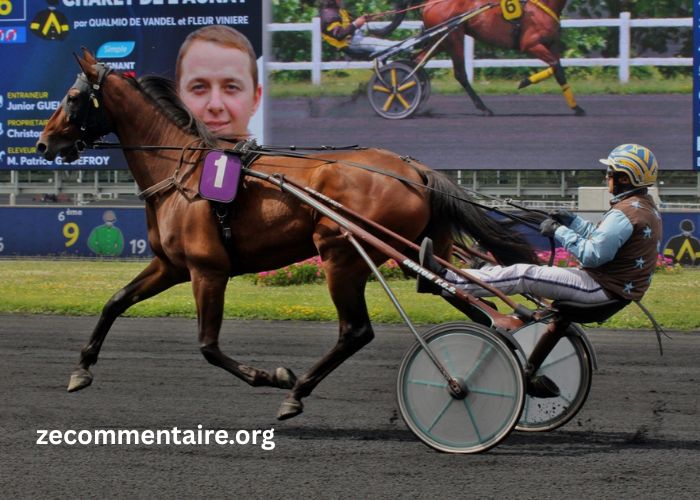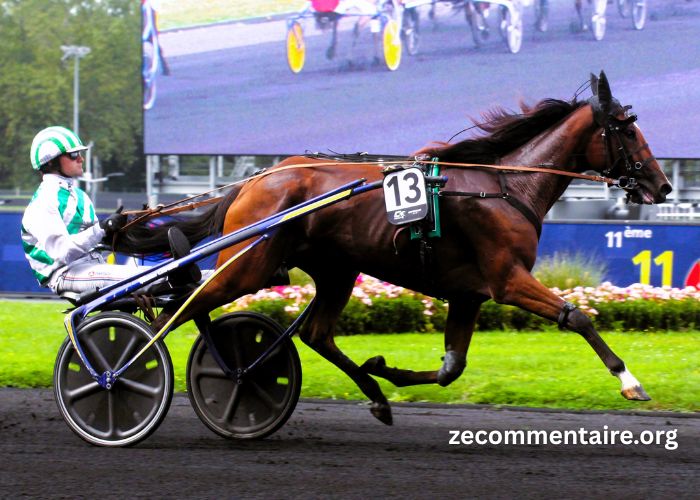
Turf racing is a classic and exciting sport where horses compete on natural grass tracks. Known for its elegance, strategy, and unpredictability, turf racing has been popular for centuries across different parts of the world. It is a sport that combines athletic performance, skilled training, and smart decision making, making it highly engaging for both participants and spectators. This guide provides a complete overview of turf racing, covering its basics, key elements, and what makes it such a respected sport globally.
Understanding the Basics of Turf Racing
At its core, turf racing involves horses running on grass based tracks instead of dirt or synthetic surfaces. The condition of the turf plays a major role in the outcome of a race. A soft track can slow down horses, while a firm track usually allows faster speeds. Races are organized over different distances, and each race requires a specific combination of speed and endurance. Some horses are sprinters, while others are built for long distance races. Understanding these basics is essential for anyone interested in the sport.
The Role of Horses in Turf Racing
Horses are the heart of turf racing. Each horse has unique abilities, strengths, and preferences. Some perform better on soft turf, while others excel on firm ground. Their performance depends on genetics, training, diet, and experience. Trainers carefully select horses for specific races based on these factors. A horse’s past performance is often used to predict how well it might perform in future competitions.
Importance of Jockeys and Strategy
Jockeys play a critical role in turf racing. They are responsible for guiding the horse during the race, controlling speed, and making split second decisions. A skilled jockey understands how to position the horse effectively and when to push for acceleration. Strategy is just as important as speed. Even the fastest horse may lose if the jockey fails to choose the right timing or path during the race. This combination of horse ability and jockey skill makes turf racing highly competitive.
Training and Preparation Methods
Training is a major part of turf racing success. Horses go through structured programs that focus on building stamina, strength, and speed. Trainers also monitor diet, rest, and overall health to ensure peak performance. Regular practice races help horses become familiar with competition conditions. Trainers also analyze performance data to improve training methods and correct weaknesses.
Race Tracks and Conditions
Turf race tracks in succespronos are carefully maintained to ensure fair competition. Grass quality, moisture level, and surface firmness are all monitored regularly. Weather conditions such as rain or heat can significantly affect track performance. Different tracks around the world have unique characteristics, which means horses and jockeys must adapt to each venue. This adds variety and challenge to the sport.
Global Popularity of Turf Racing
Turf racing is enjoyed in many countries including the United Kingdom, Australia, Japan, and parts of Europe and Asia. Major racing events attract large audiences and international competitors. The sport has also become more accessible through digital platforms, allowing fans to follow races from anywhere in the world. This global reach has helped increase its popularity and fan base.
Technology in Modern Turf Racing
Modern turf racing uses technology to improve performance and safety. Data analysis tools help trainers study horse performance in detail. Tracking systems monitor speed, movement, and health conditions in real time. Technology also enhances the viewing experience for fans through live updates, replays, and detailed race statistics. This makes the sport more engaging and informative.
Betting and Fan Engagement
Betting is closely connected with turf racing culture. Many fans enjoy studying horses and making predictions before placing bets. This adds excitement and deeper engagement with the sport. However, responsible participation is important. Understanding the risks and making informed decisions helps maintain a positive experience.
Challenges in Turf Racing
Despite its popularity, turf racing faces challenges such as maintaining horse welfare, managing track conditions, and ensuring fair competition. Weather dependency is another factor that can affect scheduling and performance. Organizers continuously work to improve safety standards and fairness in the sport to protect both horses and riders.
Future of Turf Racing
The future of turf racing looks promising with advancements in technology and global connectivity. Improved training methods, better safety systems, and wider digital access are shaping the next generation of the sport. As interest continues to grow, turf racing is expected to become even more interactive and data driven, attracting new fans while preserving its traditional roots.
Conclusion
Turf racing is a fascinating sport that blends history, skill, and strategy. From horse training and jockey expertise to track conditions and global events, every element plays a vital role in shaping the experience. This ultimate resource highlights the essential aspects of turf racing and helps readers understand why it remains such a respected and exciting sport around the world.