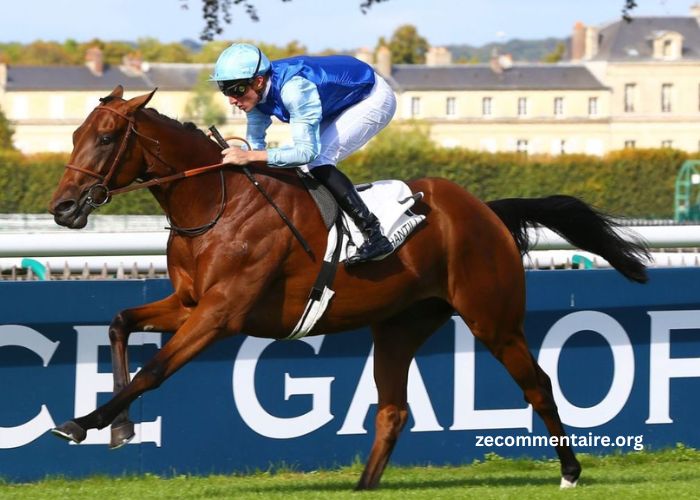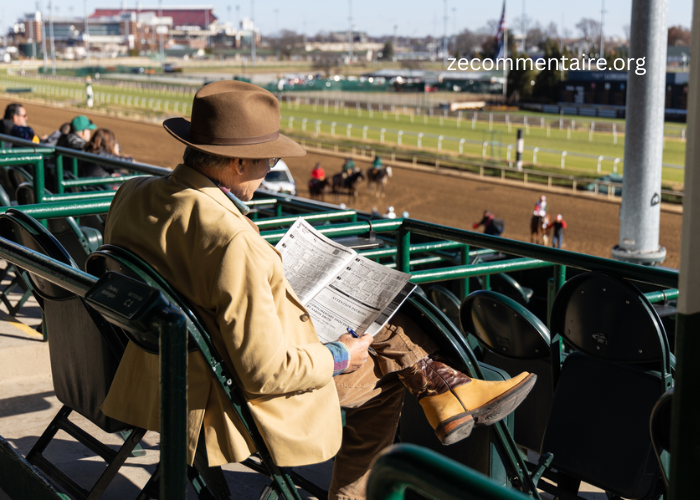
So you’ve decided to try your hand at the grass. There’s something undeniably classy about turf racing. It feels a bit more like the European tradition, and honestly, watching a pack of horses thunder down a lush green stretch is way more visually satisfying than a dusty dirt track. But if you try to handicap turf races the same way you do dirt races, you’re probably going to lose your shirt.
I remember when I first started betting. I thought a fast horse was just a fast horse. It didn’t take long to realize that some horses are basically ducks; they love the grass but look like they’re running in sand on the dirt. Learning how to spot these turf specialists is the secret sauce. It’s not about being a math genius, it’s about understanding the subtle vibes of the green.
Understanding Turf Pedigree
The biggest mistake beginners make is ignoring the family tree. On dirt, you look at speed figures and recent form. On turf, genetics are almost everything. Some stallions just have the “grass gene.” If you see a horse moving from dirt to turf for the first time and their father or grandfather was a European champion or a known turf sire, pay attention.
Usually, these horses have a different physical build. They might be a bit leaner or have a flatter hoof shape that helps them glide over the blades of grass rather than digging into the soil. When I’m looking at a race with a bunch of first time turf runners, I always check the pedigree stats. If the sire wins at a high percentage on the grass, that horse is an automatic contender in my book even if their dirt form looks like garbage.
The Importance of the Course Condition
If you’ve ever tried to run across a lawn after a heavy rain, you know it’s a lot different than running on a dry path. Turf courses are incredibly sensitive to moisture. In the racing world, we call this the “going.” It ranges from firm to soft or even heavy.
A horse in elimination turf that wins on a firm, lightning fast course might absolutely hate a soft, boggy one. Think of it like a sprinter versus a marathon runner. Firm turf favors speed and horses that can “rattle” over the top. Soft turf requires massive amounts of stamina and heart. Always look at the weather report before you place your bet. If it’s been pouring all morning, look for those gritty horses that have won on “good” or “yielding” ground before.
Watching the Late Kick
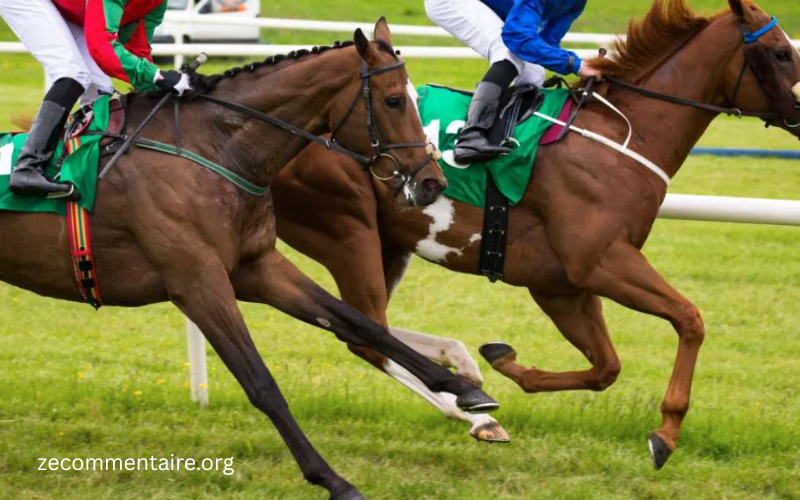
Dirt racing is often about who can get to the front and stay there. Turf racing is the exact opposite. It’s a tactical game of chess. Most of the time, the field will stay in a tight bunch, moving at a relatively slow pace to save energy. Then, in the final quarter mile, everyone turns on the jets.
This is called the “late kick” or the “closing burst.” When you are looking at past performances, don’t just look at where the horse finished. Look at their internal sectional times. Did they run that last fraction of a mile in under twenty four seconds? If a horse has shown they can explode at the end of a race, they are dangerous. I’d much rather bet on a horse that was eighth at the start but flew home to finish third than a horse that led the whole way and got caught.
The Value of the Inside Rail
Because turf races are often decided by a late sprint, positioning is massive. The “golden rail” is a real thing. If a jockey can keep their horse tucked inside and save ground around the turns, they are traveling a much shorter distance than the horses running three or four wide.
However, there is a risk. If you stay on the rail, you might get “boxed in” with nowhere to go when it’s time to run. This is why I always look for smart turf jockeys. You want a rider who has the patience to wait for a gap to open but the guts to take it when it does. If you see a top tier turf jockey on a horse that’s ten to one, that’s usually a sign that the horse has more talent than the odds suggest.
Weight and Distance Shifts
Turf horses are often asked to run much longer distances than dirt horses. You’ll see races that are a mile and three eighths or even two miles. In these marathons, every pound of weight the horse carries starts to matter. If a horse is stepping up in distance and also carrying more weight than they ever have, they might hit a wall in the final stretch.
I like to look for “sneaky” distance changes. Sometimes a trainer will run a horse in a sprint just to get them fit, knowing the horse really wants to go long. When that horse finally gets back to a mile or more, they’ll suddenly wake up and outrun their odds.
Conclusion
Handicapping turf is definitely an art form that takes some practice. You’ll have days where the “best” horse gets stuck in traffic and loses, and that’s just part of the game. But if you focus on pedigree, respect the track condition, and look for that late closing speed, you’re already miles ahead of the average bettor. Don’t get discouraged if your first few picks don’t pan out. Keep watching the replays and pay attention to how the winners move. Before you know it, you’ll be reading the grass like a pro.